I’m a systems engineer at Draper, working from Holliston, Massachusetts, on the models, requirements, and interface definitions that missile defense, guidance, and space programs are built and tested against, and increasingly on the Python tooling that checks that work automatically so the people reviewing it can spend their attention on the judgment calls.
Selected work
Interface control on a defense space program
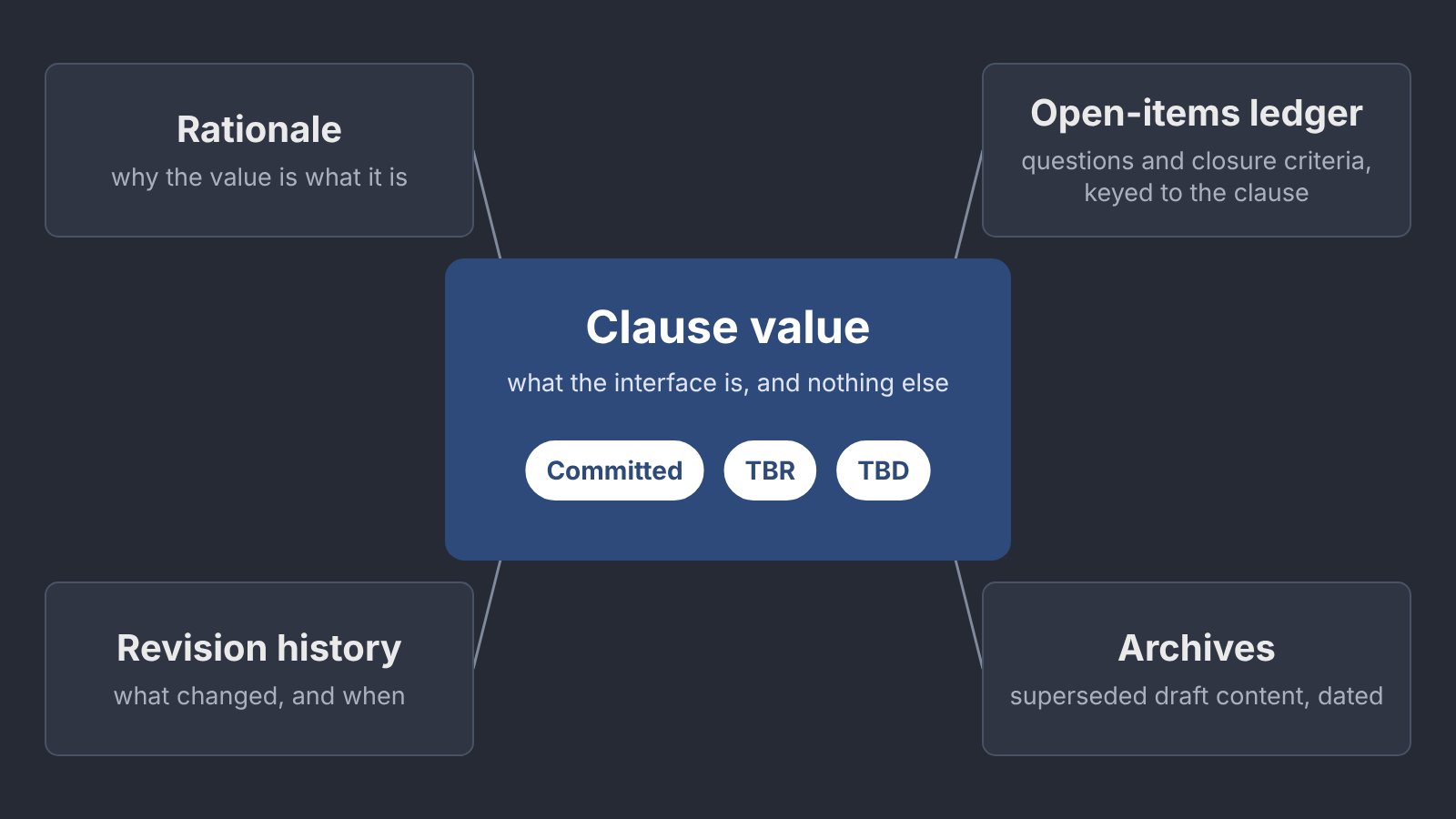
How I structure and run interface control for Draper’s part of a defense space program, keeping what an interface is separate from why it is that way, so a working draft can be walked to a baseline one value at a time.
An architecture description for guidance system test cells
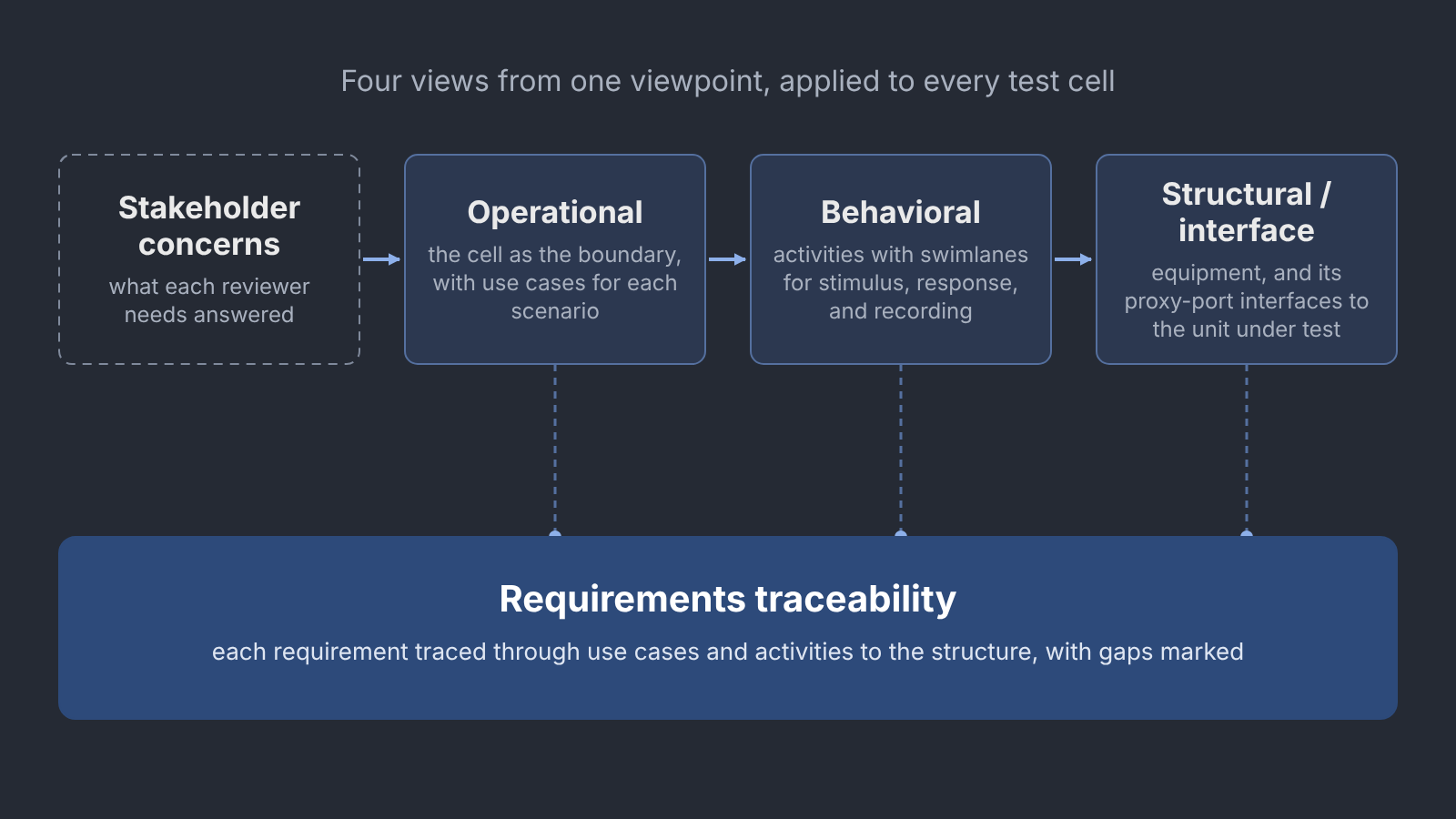
A four-view ISO/IEC/IEEE 42010 architecture description in SysML for the Trident II D5LE2 MK 8 guidance system’s integration and test cells, proved on one cell with a walkthrough reviewers could follow, then applied across the priority cells and carried into System Functional Review.
Tracing requirements with NLP
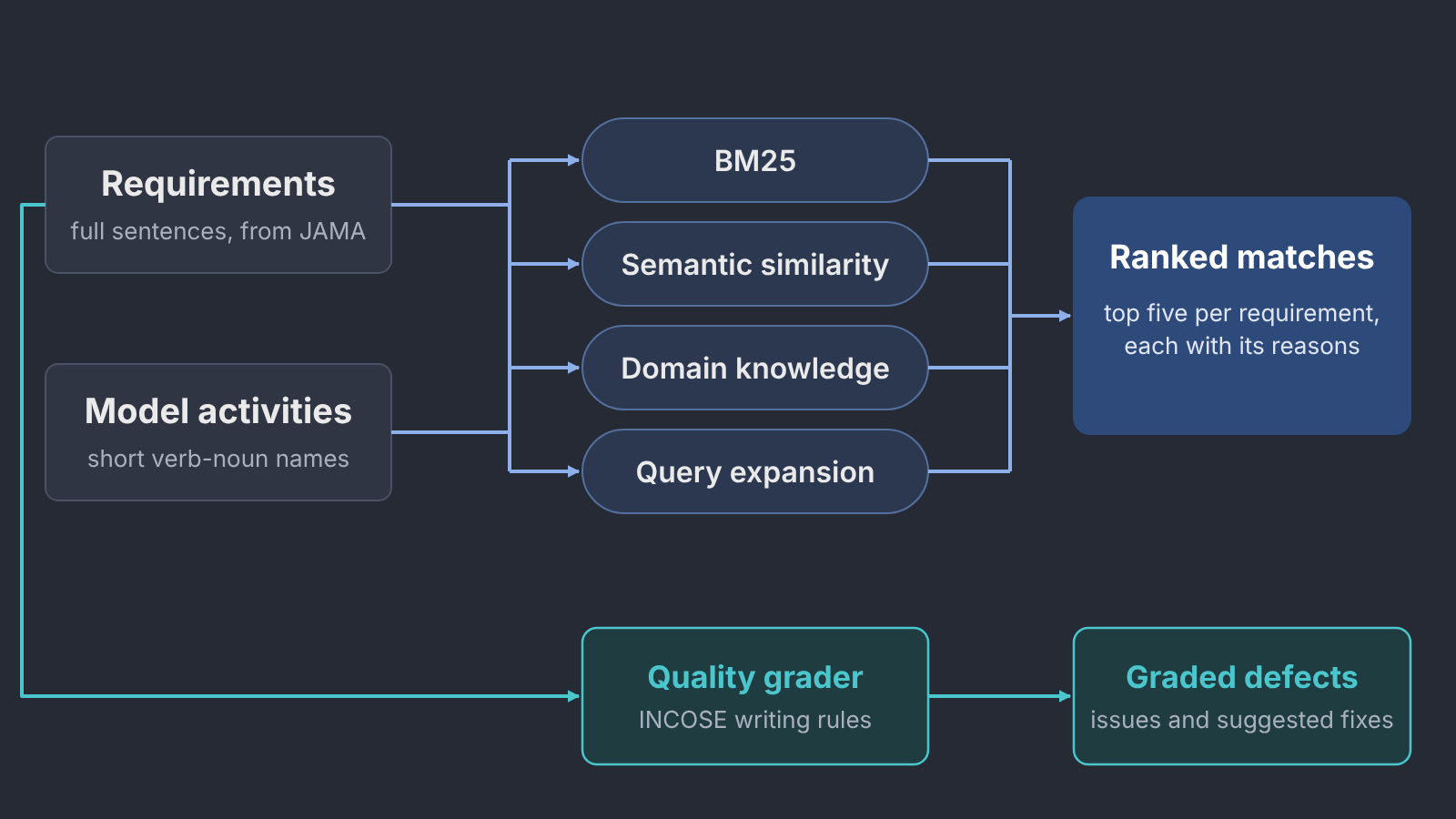
On Blue Origin’s Sustaining Lunar Development program, I built an explainable NLP pipeline that ranks likely JAMA requirement traces for SysML model activities and grades requirements against INCOSE writing rules, then measured it against our team’s manual traces and reported where it fell short.
Requirements a pipeline can verify
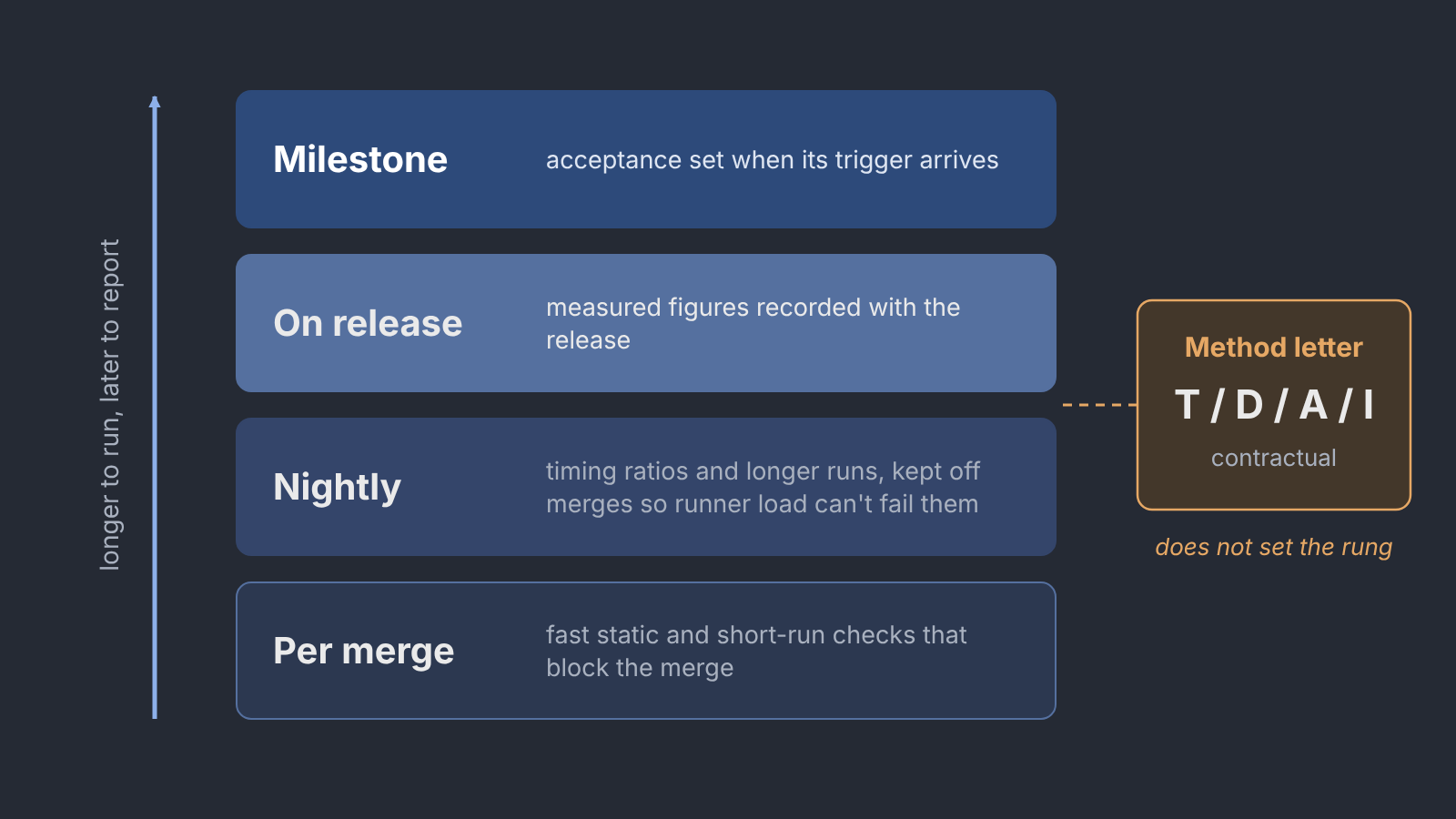
I turned a 32-line informal requirements list for a guidance-system simulation into a traced, reviewed draft specification that separates how each requirement is verified from when a CI pipeline could check it, and that judges fidelity before real-system data exists.
How I work
These are the principles I keep coming back to, each learned on something I built, ran, or had to defend in a review.
Show reviewers one scenario they can follow end to end. When I briefed the four-view method for the MK 8 test cells, I walked a single scenario from use case through behavior and interfaces to the requirements matrix, with the draft items named up front, because reviewers are persuaded more by one path they can follow than by coverage they have to take on trust, and the method was endorsed and carried across the priority cells into System Functional Review.
Keep what an interface is apart from why it is that way. Every value in the interface control document I own on a defense space program is a contract statement with a closed status of Committed, TBR, or TBD, while its reasoning, open questions, and history each live in exactly one other place, so the document can be walked to a baseline one value at a time.
Score a tool against the hardest honest test available, and say what that test cannot see. I reported the NLP pipeline’s run on program data over earlier demo runs that scored higher, because the demo run’s domain knowledge had been learned from the same traces it was graded against, and I said on the record that the answer key was the same inconsistent manual tracing the tool was built to improve.
A check earns trust only once something can fail it. Every consistency check on the simulation requirements workbook had to fail on a planted defect before its clean result counted, and the one rule with no check behind it, keeping the verification method separate from automation, was broken in fourteen requirements by the same revision that stated it.
A recovery path is untested until it has rebuilt something real. On ShipWall, the first rebuild from the repository after I wrote the restore script showed that the backup script had lost its executable bit, the backup timer reset on every reboot, and the restore skipped three install steps, none of which reading the configuration files had shown.
Side projects
ShipWall
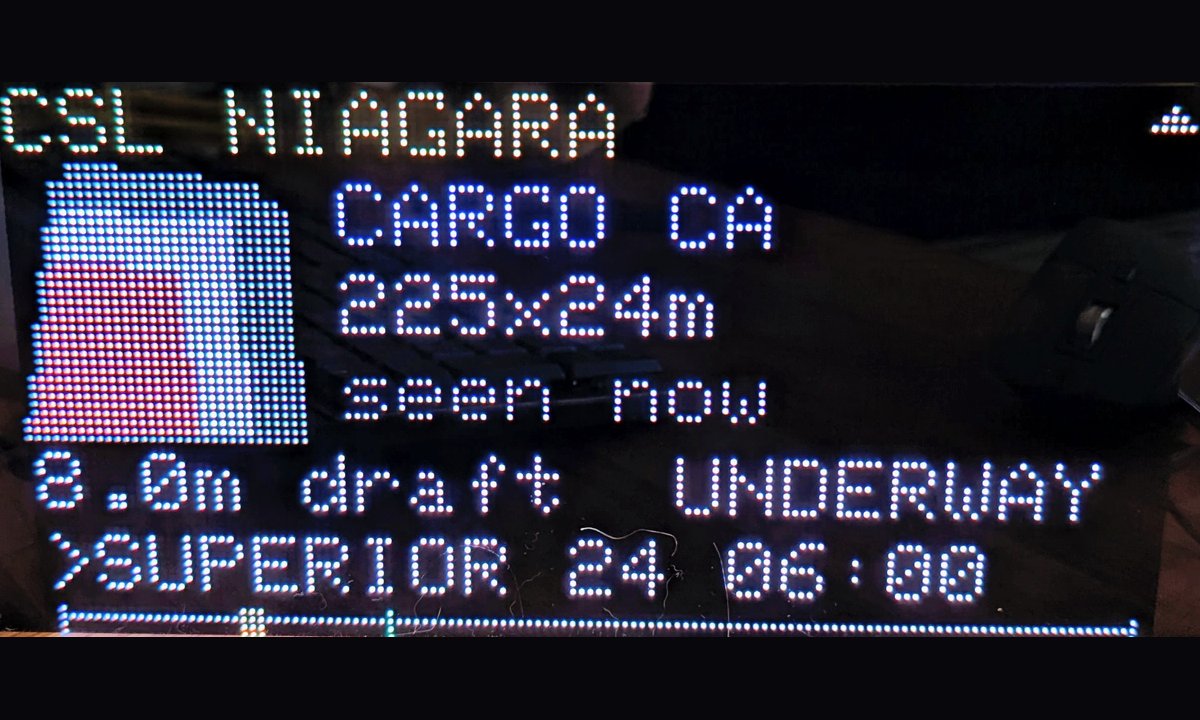
A live AIS ship-traffic display I built and run alone at my family’s cottage on the St. Lawrence Seaway, with three layers of watchdogs, gated deploys, and a 20-entry incident log.
An orbital factory, modeled
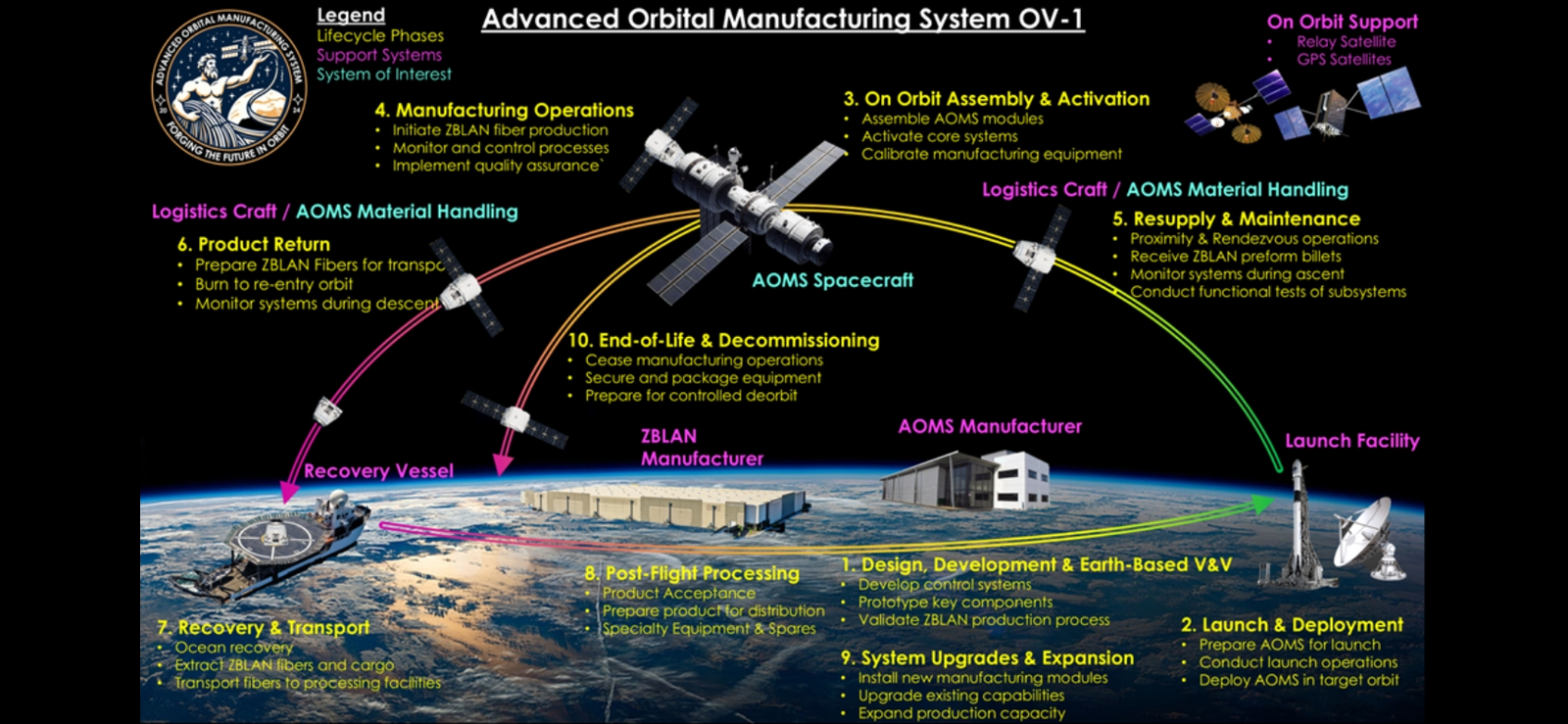
My Johns Hopkins capstone, an MBSE-driven concept for automated ZBLAN fiber production in orbit, with the full SysML model published to click through.

The Holliston Ledger
An independent civic news publication on my town’s government, backed by a pipeline that transcribes unminuted board meetings for human fact-checking.
Writing
Write-ups on NLP for requirements traceability, Python for systems engineers, and lessons from putting MBSE on real programs are on the way.
Programs
The short version of where I’ve worked, with the full detail in my resume.
- Defense space program – Interface Control Manager, owning the avionics specification and ICDs, modeling the system against the government reference architecture, and decomposing functions from L3 to L4
- Trident II D5LE2 MK 8 Guidance System – MBSE lead for the integration and test cells, and author of the guidance system CONOPS, which I took through 26 reviewers and 144 comments
- Blue Origin lunar lander – MBSE for human and cargo landing CONOPS, modeling liaison for on-orbit refueling, and the NLP traceability pipeline
- DARPA Otter VLEO satellite – 200+ system and subsystem requirements and the ICDs behind them for the System Requirements Review
- Conventional Prompt Strike – Trade studies for M-Code GPS receiver integration ahead of successful flight tests in 2024 and 2025
- U.S. Navy robotics at Boston Engineering – Automated coating QA for flight decks, hull inspection, USV anchoring, and an EOD tether-management ROV
- U.S. Air Force, 2016–2021 – Launch facility engineering and vehicle integration at Vandenberg, then base-defense acquisition at Hanscom, leaving as a Captain
Get in touch
Email is the fastest way to reach me at grimsley.ben@gmail.com, and I’m also on LinkedIn and GitHub.